Welcome to Our Company





 Send Inquiry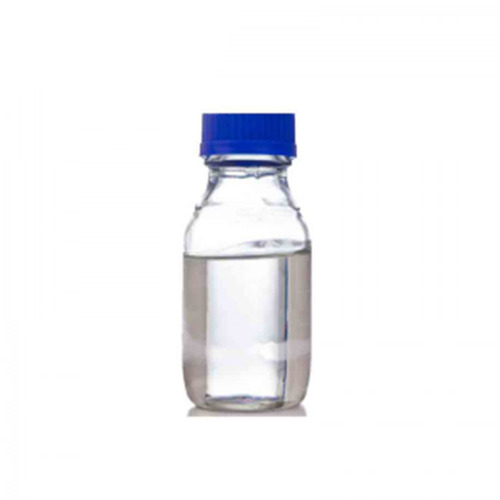
Ethylene Glycol Monobutyl Ether
100 INR/Liter
Product Details:
- Other Names 2-Butoxyethanol, Butyl Cellosolve
- Solubility Soluble in water, alcohol, and many organic solvents
- Purity 99% min
- Boiling point 171°C
- Molecular Weight 118.17 g/mol
- HS Code 29094300
- Density 0.900 Gram per cubic centimeter(g/cm3)
- Click to View more
X
Ethylene Glycol Monobutyl Ether Price And Quantity
- 200.00 - 200.00 INR/Liter
- 100 INR/Liter
- 1000 Kilograms
Ethylene Glycol Monobutyl Ether Product Specifications
- Industrial Grade
- 203-905-0
- Used as a solvent for paints, coatings, inks, cleaners, and textile processing
- Conforms to industrial standards
- Glycol ether
- CH3(CH2)3OCH2CH2OH
- Yes
- Mild, ether-like odor
- n20/D 1.419
- Store in a cool, dry, well-ventilated area away from heat, sparks, and flame
- Ethylene Glycol Monobutyl Ether
- Neutral (approx. 7)
- -77°C
- 29094300
- 0.900 Gram per cubic centimeter(g/cm3)
- Clear liquid
- 118.17 g/mol
- 111-76-2
- Liquid
- C6H14O2
- Ethylene Glycol Monobutyl Ether
- Soluble in water, alcohol, and many organic solvents
- Solvent / chemical intermediate
- Industrial and laboratory solvent
- 2-Butoxyethanol, Butyl Cellosolve
- 99% min
- 171°C
- Hazardous to aquatic life with long lasting effects
- 27.3 mN/m at 25C
- Compatible with most organic solvents
- Available in drums and bulk
- 238C
- 3.6 mPas at 20C
- 60C (closed cup)
- 0.88 mmHg at 20C
- Clear, colorless liquid
- Stable under recommended storage conditions
- UN No. 2369, Class 3 (flammable liquid)
Ethylene Glycol Monobutyl Ether Trade Information
- MUMBAI
- Telegraphic Transfer (T/T)
- 1000 Kilograms Per Day
- 1 Week
- All India
Product Description
Butyl Glycol (2-Butoxy Ethanol) is employed primarily in the production of lacquers based on nitrocellulose, cellulose ethers and chlorinated rubber. Small quantities are also used combination lacquers. Solutions of nitrocellulose in Butyl Glycol may be diluted with large quantity of white spirit, aromatic hydrocarbons or ethanol without adversely affecting the film property. Small quantities of Ethylene Glycol Monobutyl Ether improves both the flow and dilution capacity of the lacquers and also enhance the gloss of the resultant lacquer films.Versatile Industrial Solvent
Ethylene Glycol Monobutyl Ether is valued across various industries for its powerful solvency and compatibility with water and numerous organic solvents. Its main applications include use as a solvent for paints, coatings, inks, and textile processing, where effective cleaning and dispersion are crucial.
Safe Handling and Storage
This chemical should be stored in a cool, dry, and well-ventilated environment, away from heat sources and open flames due to its flammability (flash point: 60C). Proper handling with gloves and goggles is recommended to minimize health risks, as it is harmful if ingested or contacts skin.
Environmental Considerations
As Ethylene Glycol Monobutyl Ether poses a hazard to aquatic life with long-lasting effects, all disposal practices must adhere to local environmental regulations. Careful containment and responsible waste management help prevent environmental contamination during use and storage.
FAQs of Ethylene Glycol Monobutyl Ether:
Q: How is Ethylene Glycol Monobutyl Ether commonly used in industry?
A: This compound is widely utilized as a powerful solvent for paints, coatings, inks, cleaners, and in textile processing. Its ability to dissolve both polar and non-polar substances makes it indispensable for various industrial and laboratory applications.Q: What safety precautions should be taken when handling Ethylene Glycol Monobutyl Ether?
A: It is crucial to use appropriate personal protective equipment, such as gloves and eye protection, and to work in a well-ventilated area. Avoid inhalation, ingestion, and skin or eye contact, as it is harmful and classified as poisonous.Q: When should Ethylene Glycol Monobutyl Ether be stored and transported with extra care?
A: Special attention should be given to storage and transport due to its flammable nature (UN No. 2369, Class 3). Keep it away from ignition sources, and always store in sealed drums or containers in cool, dry, and ventilated locations.Q: Where can Ethylene Glycol Monobutyl Ether be sourced in India?
A: It is available through several industrial distributors, exporters, manufacturers, suppliers, and traders throughout India, often packaged in drums or supplied in bulk quantities to suit diverse industrial demands.Q: What environmental hazards are associated with Ethylene Glycol Monobutyl Ether?
A: This substance is hazardous to aquatic life with long-lasting effects. Proper storage, handling, and disposal are necessary to prevent environmental contamination and adhere to environmental safety standards.Q: What are the benefits of using Ethylene Glycol Monobutyl Ether in industrial formulations?
A: Its strong solvency, compatibility with a wide range of chemicals, and ability to blend with both water and organic solvents provide high efficiency in cleaning, formulation stability, and process versatility.Tell us about your requirement

Price:
Quantity
Select Unit
- 50
- 100
- 200
- 250
- 500
- 1000+
Additional detail
Mobile number
Email

Other Products in 'specialty chemicals ' category




 Send Inquiry
 Send SMS
 Call Me Free
KAVYA PHARMA
GST : 24AOKPV4993D2ZG
GST : 24AOKPV4993D2ZG

- Shop No - 215, 2nd Floor, Aaimata Road, Raj Mandir Complex, Parvat Patiya,Surat - 395010, Gujarat, India
- Phone : 08045479081

- Ms. Kavya (Proprietor)
- Mobile : 08045479081
-
 sales@kavyapharma.com

|


KAVYA PHARMA
All Rights Reserved.(Terms of Use)
Developed and Managed by Infocom Network Private Limited.
Developed and Managed by Infocom Network Private Limited.

