Welcome to Our Company





 Send Inquiry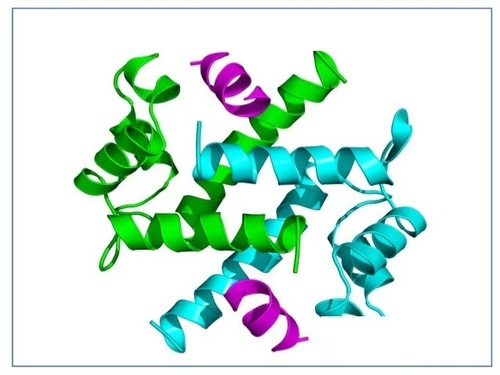
Pepsin enzyme
101 INR/Kilograms
Product Details:
- Chemical Name Pepsin
- Other Names Protease, Gastrase
- CAS No 9001-75-6
- Type Enzyme preparation
- Application Pharmaceuticals, Food Industry, Laboratory Reagent
- Application Method Used as an active ingredient in digestive aids and as a food processing additive
- Feature High enzyme activity, Stable under acidic conditions
- Click to View more
X
Pepsin enzyme Price And Quantity
- 101 INR/Kilograms
- 101.00 - 105.00 INR/Kilograms
- 1000 Kilograms
Pepsin enzyme Product Specifications
- Protease, Gastrase
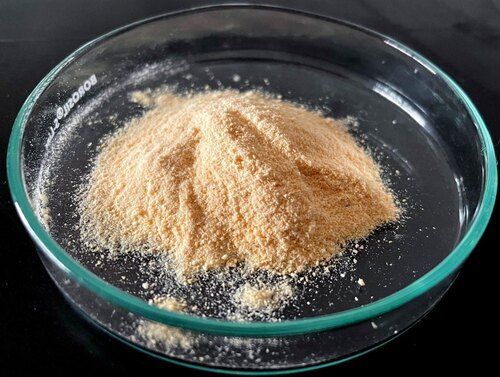
- Off-white to light brown powder
- 24 months
- High enzyme activity, Stable under acidic conditions
- Powder
- Digestive aid, protein hydrolysis
- Used as an active ingredient in digestive aids and as a food processing additive
- Pepsin
- Freely soluble in water, insoluble in ethanol
- 1:10,000 (activity) or higher; generally above 95%
- Porcine gastric mucosa
- Pepsin enzyme, excipients
- 9001-75-6
- Enzyme preparation
- Pharmaceuticals, Food Industry, Laboratory Reagent
- Faint Characteristic Odor
- 1.5 - 3.5
- HDPE Drum / Fiber Drum with Double Liner Bag
- Not more than 5.0%
- <10 ppm
- Not Less Than 1:10,000 U/g
- Store in a Cool, Dry & Dark Place
- <5%
Pepsin enzyme Trade Information
- MUMBAI
- Telegraphic Transfer (T/T)
- 1000 Kilograms Per Day
- 1 Week
- All India
Product Description
Application
Pepsin splits proteins into water-soluble fragments called peptones. Although this ordinarily occurs in the stomach, it can be duplicated in a large reaction vessel on a commercial purpose. Partial digestion by pepsin can be used in food applications, for instance, in the processing of proteins and gelatin. Pepsin has been used as a substitute for rennin in the production of the cheese.
Pepsin is used by theleather industryto remove undesirable traces of remaining tissue, such as hair and fat, from partially processed hides. This enzymatic treatment is called bating the hides. The process also dwells and softens the hides, improving leather quality.
Exceptional Enzyme Activity and Stability
Pepsin enzyme is engineered for remarkable efficacy, with no less than 1:10,000 U/g enzyme activity. Its stability within acidic pH environments (1.53.5) makes it especially suitable for aiding protein digestion and various applications where acidic conditions prevail. Each batch offers consistent, powerful performance, ensuring reliable results in food processing or pharmaceutical formulations.
Versatile Applications Across Industries
As a proteolytic enzyme, Pepsin finds use in numerous sectorsfrom facilitating protein hydrolysis in laboratories to acting as a digestive aid in pharmaceuticals and improving the texture and flavor of food products in the food industry. Its safety profile is bolstered by low heavy metals content (<10 ppm) and a faint characteristic odor, enhancing its appeal for a diverse range of professional uses.
Rigorous Quality and Packaging Standards
Quality is a core attribute of this pepsin enzyme, maintained through loss on drying and moisture content parameters under 5% and supplied in secure HDPE or fiber drums. This ensures long shelf life and preservation of enzyme activity during storage and transport. The preparation remains free-flowing and highly effective throughout its 24 months of shelf life, provided it is kept cool, dry, and away from direct light.
FAQs of Pepsin enzyme:
Q: How should Pepsin enzyme be stored to maintain its effectiveness?
A: To preserve its activity and ensure a full shelf life of 24 months, Pepsin enzyme should be stored in a cool, dry, and dark place, preferably in its original HDPE drum or fiber drum with a double liner bag.Q: What is the primary use of Pepsin enzyme in the pharmaceutical industry?
A: Pepsin enzyme is primarily used as an active ingredient in digestive aids due to its ability to break down proteins efficiently in acidic conditions, aiding patients with digestive disorders.Q: When is Pepsin enzyme most effective during digestion or food processing?
A: Pepsin exhibits optimal activity within a pH range of 1.5 to 3.5, making it most effective in the acidic environment of the stomach or in controlled food processing steps requiring acid stability.Q: Where is Pepsin enzyme typically applied outside of pharmaceuticals?
A: Beyond pharmaceuticals, Pepsin is widely utilized in the food industry to hydrolyze proteins for improved texture and flavor, and in laboratories as a reagent for protein analysis and modification.Q: What are the key benefits of using Pepsin enzyme as an additive?
A: Key benefits include its high enzyme activity, stability in acidic conditions, high purity, and low heavy metal content, ensuring effective and safe protein hydrolysis for various applications.Q: How is Pepsin enzyme supplied and what ensures its quality during shipping?
A: Pepsin is packaged in robust HDPE or fiber drums with double liner bags, protecting it from moisture and contamination during storage and shipping, and quality is maintained through stringent testing for purity and activity.Q: Can Pepsin enzyme be used in laboratory research, and what is the process?
A: Yes, Pepsin is often used as a reagent to hydrolyze proteins in samples under acidic conditions. The process involves dissolving the enzyme in water and incubating it with protein substrates to facilitate efficient protein breakdown.Tell us about your requirement

Price:
Quantity
Select Unit
- 50
- 100
- 200
- 250
- 500
- 1000+
Additional detail
Mobile number
Email

Other Products in 'Probiotics And enzymes .' category




 Send Inquiry
 Send SMS
 Call Me Free
KAVYA PHARMA
GST : 24AOKPV4993D2ZG
GST : 24AOKPV4993D2ZG

- Shop No - 215, 2nd Floor, Aaimata Road, Raj Mandir Complex, Parvat Patiya,Surat - 395010, Gujarat, India
- Phone : 08045479081

- Ms. Kavya (Proprietor)
- Mobile : 08045479081
-
 sales@kavyapharma.com

|


KAVYA PHARMA
All Rights Reserved.(Terms of Use)
Developed and Managed by Infocom Network Private Limited.
Developed and Managed by Infocom Network Private Limited.

